Physical Address
304 North Cardinal St.
Dorchester Center, MA 02124
Physical Address
304 North Cardinal St.
Dorchester Center, MA 02124

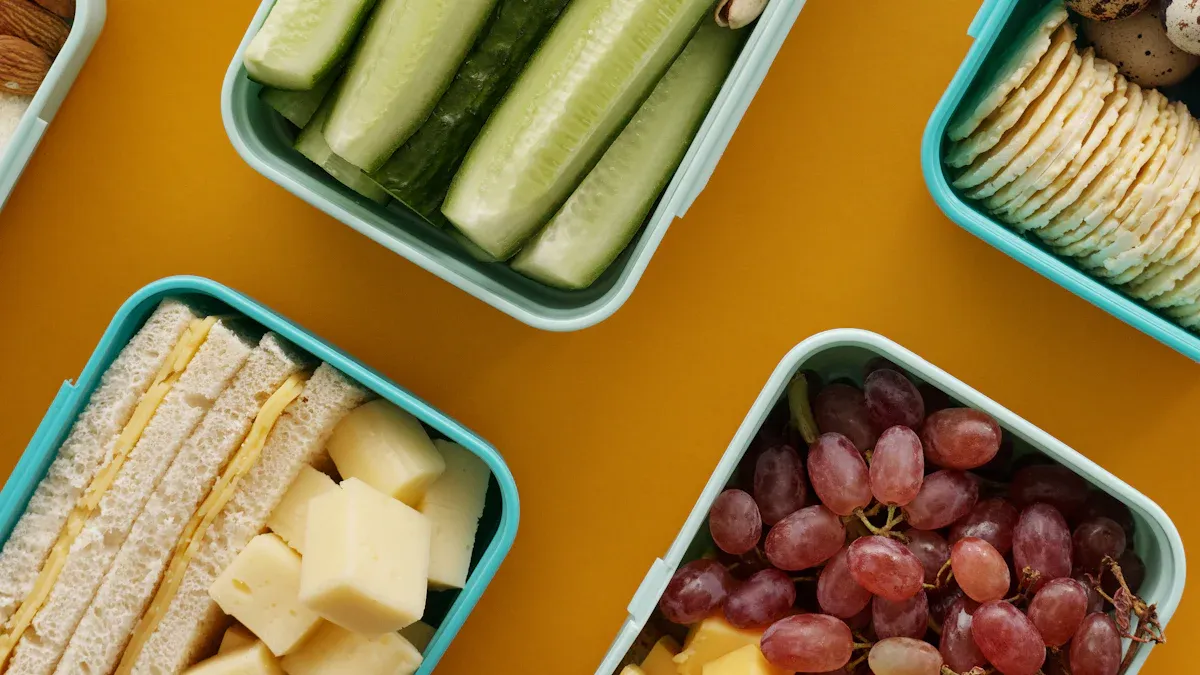
Healthy snacks are easy with simple prep, smart storage, and colorful choices. Enjoy quick, balanced snacks every day for better energy and focus.
Ever notice how grabbing chips feels easier when life gets hectic? You’re not alone—almost half of adults say busy days make eating well tough. The good news? Healthy snacks can be quick and tasty. Check out these common myths and facts:
Misconception | Explanation |
|---|---|
Snacking hinders dieting efforts | Planned snacks help with weight management by keeping you satisfied. |
Snack foods aren’t healthy foods | Snacks can fill nutrient gaps, especially with protein and produce. |
Snacking ruins your appetite | Snacks with 150–250 calories help maintain energy without spoiling meals. |
Even small changes in your snack choices can make a big difference in your health.
Mix and match different food groups for healthy snacks. Pairing items like yogurt with fruit or whole-grain crackers with cheese boosts nutrition and keeps you full.
Practice portion control to enjoy snacks without overeating. Use small containers to manage serving sizes and help maintain a healthy weight.
Prep snacks in advance to save time and make healthy choices easier. Wash and cut fruits and veggies right after shopping for quick access when hunger strikes.
You don’t need fancy recipes to make healthy snacks. Try pairing simple foods for a tasty boost. For example, dip crunchy carrots in hummus, or spread nut butter on apple slices. Cheese with whole-grain crackers makes a quick snack, and yogurt with berries is always a hit. When you mix different food groups, you get more nutrients and stay full longer.
Tip: Combine complex carbohydrates, healthy fats, and protein for snacks that keep you satisfied.
Some great combos include:
Whole-grain toast with avocado and turkey
Greek yogurt with prunes or nuts
Popcorn with a handful of almonds
Snacks with protein, fiber, and whole grains help you feel full and energized. Mixing foods like nuts, yogurt, and fruit gives you vitamins, minerals, and fiber. You can choose homemade or store-bought options, just look for wholesome ingredients.
It’s easy to eat too much, even when you pick healthy snacks. Portion control helps you enjoy your snack without going overboard. Try using small containers or snack bags to keep your portions in check.
Here’s how portion control helps:
Benefit of Portion Control in Snacking | Description |
|---|---|
Weight Management | Smaller portions help you manage your weight and avoid overeating. |
Increased Intake of Nutritious Foods | Bigger servings of veggies and fruits boost nutrition and lower calories. |
Limiting Overconsumption | Preportioned snacks make it easier to stop at one serving. |
You can fill up on veggies and fruit, which are low in calories but high in nutrients. Planning your portions makes healthy snacks work for you every day.
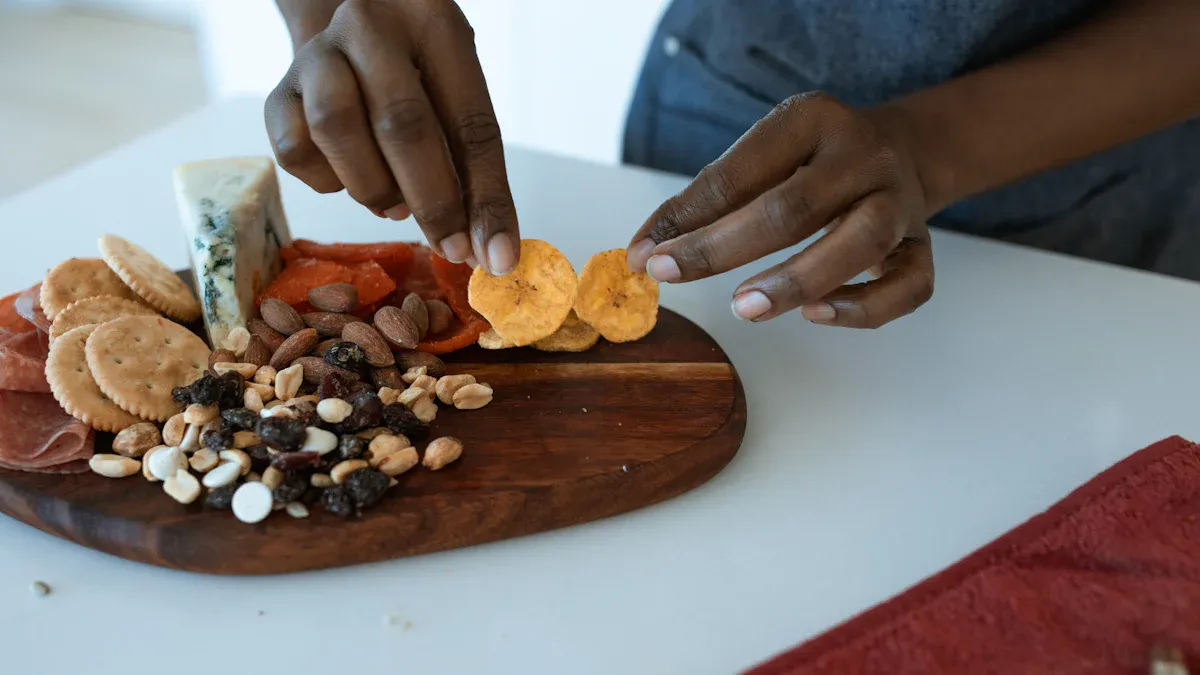
You can make your week easier by prepping healthy snacks in advance. Start by washing and cutting fruits or veggies, then portion them into small containers. You might batch-cook grains, roast vegetables, or grill chicken for quick bites. Try making snack packs with nuts, veggie sticks and hummus, or yogurt parfaits. These steps save you time and help you grab something nutritious when hunger hits.
Did you know? People who plan their snacks ahead tend to eat healthier. Meal prepping helps you avoid impulsive choices, especially when you feel hungry. Studies show that planning leads to mindful eating and better food decisions.
Here are some homemade options you can try:
Baked falafel bites
Crispy cauliflower
Stovetop popcorn
You want snacks that are ready when you are. Use containers or bags to keep your healthy snacks fresh and easy to reach. Place them in the fridge or pantry so you can grab them on your way out. Hummus with veggies, nuts, and yogurt make great grab-and-go options. Portioning snacks ahead of time means you always have something healthy on hand.
Check out how prepping snacks at home can save you money:
Snack Type | Monthly Cost | Monthly Savings | |
|---|---|---|---|
Pre-packaged snacks | $45 | $180 | N/A |
Whole food snack prep | $25 | $100 | $80 |
Prepping healthy snacks not only helps you eat better, but also keeps more money in your pocket.
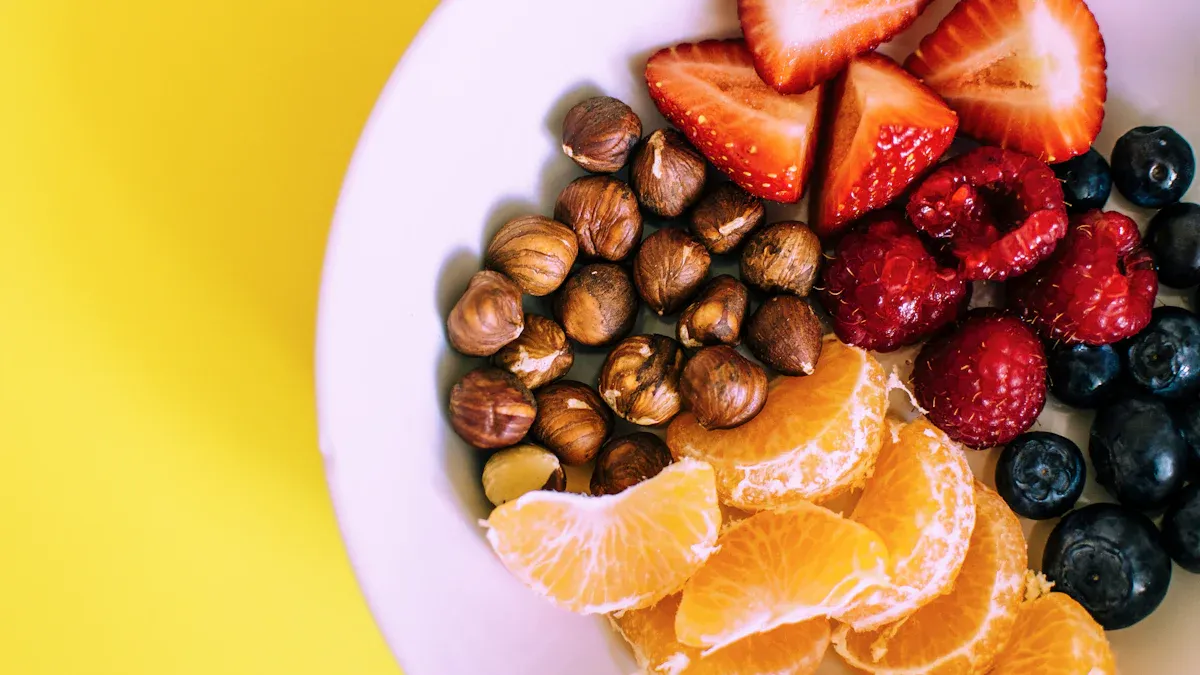
You can make your snacks more exciting by adding lots of colors. When you choose fruits and vegetables in different shades, you get a mix of vitamins, fiber, and minerals. These foods help you feel full and support your digestion. They also have almost no unhealthy fats or sodium, so they fit well into a balanced diet.
Eating a rainbow of produce gives your body what it needs to stay healthy.
Red and purple fruits and veggies can help lower the risk of cancer and keep your heart strong.
Green and white options may protect you from heart disease.
Orange foods, like carrots and sweet potatoes, support your eyes and immune system.
Try to eat at least five servings of fruits and vegetables each day. The U.S. Dietary Guidelines suggest two cups of fruit and two to three cups of veggies daily. Here are some nutrient-packed choices for your next snack:
Vegetable | Nutrients and Benefits |
|---|---|
Watercress | Vitamin K, vitamin C, antioxidants, fiber; may lower cancer risk |
Chinese cabbage | Vitamins K, A, C, antioxidants, selenium; supports immune health |
Chard | Vitamins K, A, C, fiber, potassium; helps keep blood pressure healthy |
Beet Greens | Iron, magnesium, potassium, vitamins B and C; good for red blood cells |
Spinach | Iron, vitamins K, A, C, potassium; rich in antioxidants |
You get the best taste and nutrition when you snack on seasonal produce. Fruits and vegetables picked at their peak have more vitamins and minerals. They also taste fresher and sweeter, making your snacks more enjoyable. Seasonal foods often cost less, so you can eat well without spending too much.
Tip: Visit your local farmers market to find what’s in season. You’ll support local growers and help the environment, too.
Choosing seasonal fruits and veggies means you get the most out of your healthy snacks. You help your body, your wallet, and the planet—all at once.
You pick better snacks when you see them first. Put healthy snacks where you can see them in the fridge or pantry. A fruit bowl on the counter helps you remember to eat fruit. Veggies in clear containers look nice and make you want to eat them. Keep Greek yogurt with nuts and honey in small containers for a fast snack. Carrots and cucumbers with hummus are easy to grab. Apple slices with almond butter give you fiber and taste good.
Tip: Buy canned fruit with no extra sugar. Keep washed celery, carrots, and cucumbers ready to eat. Low-fat yogurt and cheese are good dairy snacks. Whole-grain crackers and bread add fiber to your snacks.
Studies show that seeing snacks matters. Here’s what happens:
Evidence | Description |
|---|---|
Healthy snacks at eye level look better and make you want them more. | |
Higher Availability | More healthy snacks around means you pick them more often. |
Consumer Behavior | People choose snacks that are easy to reach and see, so they eat healthier. |
Smart storage keeps snacks fresh and easy to get. Use airtight containers to keep snacks tasty and dry. Vacuum sealing is good for big batches of snacks. Cold snacks stay fresh longer in the fridge, especially in airtight containers. Freeze baked snacks and take out what you need. Silica gel packs help chips and crackers stay crunchy. Wrap veggies in damp paper towels to keep them from drying out.
Label snacks so everyone knows what’s inside.
Stack bins and use small containers to save space.
Plan snacks ahead and use small containers to control portions.
Smart storage helps you stay organized and see your snacks. When healthy snacks are easy to find, you make better choices every day.
You want snacks that are ready in minutes. Start by washing your fruits and veggies as soon as you get home. This makes it easy to grab something healthy when you feel hungry. Try these quick tricks:
Soak berries in a mix of vinegar and water, then rinse and store them in an airtight container.
Cut watermelon, cantaloupe, or honeydew into bite-size pieces for easy snacking.
Store chopped carrots and celery in water to keep them crisp and fresh.
If you want a step-by-step method for washing produce, follow these simple steps:
Place your fruits and veggies in the bowl. Work in batches if you have a lot.
Fill the bowl with one part vinegar and three parts water.
Let everything soak for about two minutes.
Drain and rinse well.
Dry and chop your produce for snacking.
Tip: Prepping snacks right away saves you time later and helps you eat more fruits and veggies.
You make better choices when healthy snacks are ready to eat. Studies show that having a variety of ready-to-eat snack packs leads to more fruit and veggie snacking, not more junk food. You can find many healthy snack packs at the store, such as:
Go Raw Sprouted Organic Mixed Seeds
Wonderful Pistachio Packs
Vital Farms Hard Boiled Eggs
Hu Kitchen Grain-Free Crackers
Chomps Grass-Fed Beef Stick
Brami Lupini Snacking Beans
Pack your own snacks at home, too. Use small containers or bags to portion out nuts, cheese, or cut fruit. When you see healthy snacks ready to go, you reach for them more often. Quick prep and ready packs make healthy snacking simple and fun!
You can make healthy snacks part of your day with just a few easy habits. Prepping ahead and picking colorful, balanced foods help you feel better and stay energized. Many people notice less stress and more focus when they snack smart. Try one new tip today—see how great you feel!
You can keep nuts, whole-grain crackers, dried fruit, or single-serve yogurt cups. These snacks stay fresh and help you avoid junk food.
Try eating fruit when you want something sweet. Drink water first. Sometimes, you just need a distraction or a quick walk.
Yes! Choose snacks with protein and fiber. They help you feel full and keep your energy up. Just watch your portions.