Physical Address
304 North Cardinal St.
Dorchester Center, MA 02124
Physical Address
304 North Cardinal St.
Dorchester Center, MA 02124


Public health tips for daily life: wash hands, eat well, stay active, sleep enough, get vaccines, and support mental health for a healthier community.
You help every day when you care about public health. Easy choices like washing your hands, moving your body, and talking to others can help you feel better. These choices also help your community. New data shows that programs in the community can help people feel better. They also help people get mental health services.
Improvement Area | Statistic/Outcome |
|---|---|
Overall well-being | |
Access to mental health services | More people can get help, as many studies show. |
Keep reading to find easy steps you can use today.
Wash your hands regularly to prevent the spread of germs. Clean hands protect you and your community.
Eat a balanced diet rich in fruits, vegetables, and whole grains. Healthy eating lowers your risk of diseases.
Stay active by exercising daily. Physical activity strengthens your heart and boosts your mood.
Get enough sleep each night. Good sleep habits improve your health and help you feel alert.
Stay up to date with vaccinations and health screenings. Preventive care helps catch health issues early.
Public health means working together to keep everyone healthy. The World Health Organization says public health includes all organized actions that prevent disease, promote health, and help people live longer. The CDC explains that public health protects and improves the health of people and their communities. You help public health when you make healthy choices and support others.
Evidence Type | Description |
|---|---|
Health Disparities | Low-income communities often face high obesity rates because they have less access to healthy foods. |
Chronic Conditions | About 60% of Americans have chronic health conditions, so accessible healthcare is important. |
Economic Impact | In 2022, U.S. healthcare costs were 16.6% of GDP, showing the need for affordable solutions. |
Clean hands and good hygiene protect you and others from germs. You lower your risk of getting sick when you wash your hands the right way. Here are steps you can follow:
Use clean, running water to wet your hands and add soap.
Lather your hands well, including the backs, between your fingers, and under your nails.
Scrub for at least 20 seconds. You can sing the “Happy Birthday” song twice to keep track.
Rinse your hands under clean, running water.
Dry your hands completely. Wet hands spread germs more easily.
Respiratory etiquette means covering your mouth and nose when you cough or sneeze. You can use a tissue or your elbow. This helps stop germs from spreading. Studies show that cough etiquette does not block all droplets, so you should also wash your hands and keep your distance when you feel sick.
Tip: Carry tissues and hand sanitizer with you. Use them when you cannot wash your hands.
You can prevent many illnesses by making smart choices every day. Public health experts recommend these steps:
Preventive Measure | Description |
|---|---|
Vaccination | Vaccines protect you from diseases and keep your community safe. |
Hygiene Practices | Regular handwashing and covering your mouth when you cough or sneeze help stop infections. |
Health Screenings | Screenings find health problems early, so you can get help before they get worse. |
Clean your hands often with soap and water or use alcohol-based hand rub.
Cover your mouth and nose when you cough or sneeze.
Clean and disinfect surfaces you touch a lot, like doorknobs and phones.
You can also take these steps to stay healthy:
Talk to your doctor about which health screenings you need.
Learn about the benefits and risks of each screening.
Schedule and complete your screenings.
Preventive health services help you find risks early and build healthy habits. Regular screenings can catch problems like high blood pressure, high cholesterol, cancer, and diabetes before they become serious. Immunizations protect you from diseases. Healthy choices, such as eating well and moving your body, lower your chance of getting sick.

Eating a balanced diet helps your body and mind. Experts say you should eat many kinds of foods. Each food group gives you special nutrients. The table below shows what to eat:
Nutrients/Food Groups | Description |
|---|---|
Vitamins, minerals, antioxidants | Help your body work well |
Carbohydrates (starches, fiber) | Give you energy and help digestion |
Protein | Build and repair your body |
Healthy fats | Support your brain and hormones |
Fruits | Provide vitamins, minerals, fiber |
Vegetables | Give you nutrients and few calories |
Grains | Supply energy and fiber |
Dairy | Give you calcium and other nutrients |
Protein foods | Include meat, eggs, fish, beans, nuts, legumes |
What you eat can change your risk for diseases. Eating healthy can stop obesity, heart disease, diabetes, and some cancers. If you pick fruits, vegetables, and whole grains, you lower your risk for these problems.
Learning about health and making smart choices helps you avoid high cholesterol and obesity.
Changing your habits, like eating less sugar and fat, protects your heart.
Moving your body every day helps you stay healthy. Exercise keeps your heart strong and your mind sharp. The table below shows how much activity you need:
Age Group | Physical Activity Guidelines |
|---|---|
Children ages 3-5 | Play and move for at least 3 hours each day |
Youth ages 6-17 | Get 60 minutes of activity daily, including aerobic and muscle-strengthening exercises |
Adults | Aim for 150-300 minutes of moderate activity each week, plus muscle-strengthening on 2 days |
Older Adults | Follow adult guidelines and add balance exercises |
Pregnant Women | Try for 150 minutes of moderate activity weekly, with changes as needed |
Adults with Disabilities | Adjust activity to fit your abilities |
Moving often lowers your risk for obesity, heart disease, diabetes, and dementia.
Staying active helps you feel good and live longer.
Getting enough sleep keeps you healthy. Sleep helps your body recover and your mind focus. The table below shows how much sleep you need:
Age group | Recommended Sleep Duration |
|---|---|
Newborns (0–3 months) | 14–17 hours |
Infants (4–11 months) | 12–15 hours |
Toddlers (1–2 years) | 11–14 hours |
Preschoolers (3–5 years) | 10–13 hours |
Children (6–13 years) | 9–11 hours |
Teenagers (14–17 years) | 8–10 hours |
Adults (18-64 years) | 7–9 hours |
Older adults (65+ years) | 7-8 hours |
Not sleeping enough can cause high blood pressure, weight gain, and weak immune defenses.
Sleep problems make it easier to get diabetes, heart disease, and depression.
Good sleep habits help you stay alert and protect your health.
Healthy living helps public health and lets you feel your best every day.
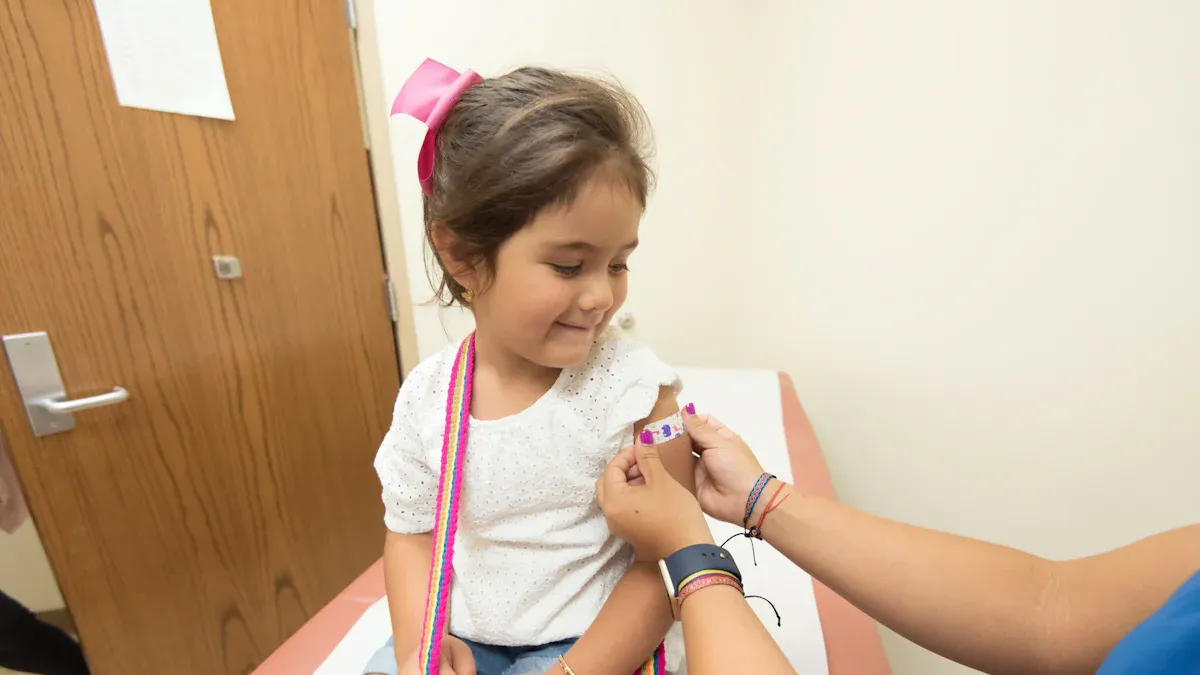
Vaccines keep you and others safe from serious diseases. When you get your shots, you help stop outbreaks. Vaccines have saved many lives. They are one of the best ways to protect public health. Vaccines protect you from illnesses like meningitis. They also lower your chance of going to the hospital or dying. Outbreaks like measles show why vaccines are important.
Disease | Year | Coverage Rate |
|---|---|---|
DTP | 2024 | 85% |
HPV | 2024 | 31% |
DTPcv1 | 2023 | 89% |
DTPcv3 | 2023 | 84% |
HPV | 2023 | 27% (first dose), 20% (full) |
Most babies get the DTP vaccine. Fewer people get the HPV vaccine. You can help by getting all your shots on time.
🩺 Tip: Ask your doctor which vaccines you need for your age and health.
Vaccines work very well. Studies show they help between 14% and 100% of people. Most studies say vaccines make people healthier. Vaccines are safe. Scientists have not found any link between vaccines and autism.
Health screenings help you find problems early. You can find risks like diabetes, cancer, or heart disease with regular checks. Finding problems early means you can start treatment sooner. You can also make changes to stay healthy.
Screening | Recommended Age | Notes |
|---|---|---|
Hepatitis C Screening | 18-79 | One-time blood test for adults |
STI + HIV Screening | 18-80+ | Regular testing based on risk factors |
Lipid Panel | 20-80+ | Regular blood tests for lipid levels |
Diabetes Screening | 20-80+ | Regular checks of blood sugar levels |
Colon Cancer Screening | 45-75 | Colonoscopies every 10 years; stool tests |
Abdominal Aortic Aneurysm | 65-75 | One-time screening for men who have smoked |
Osteoporosis Screening | 65-80+ | First DEXA scan at 65 for women |
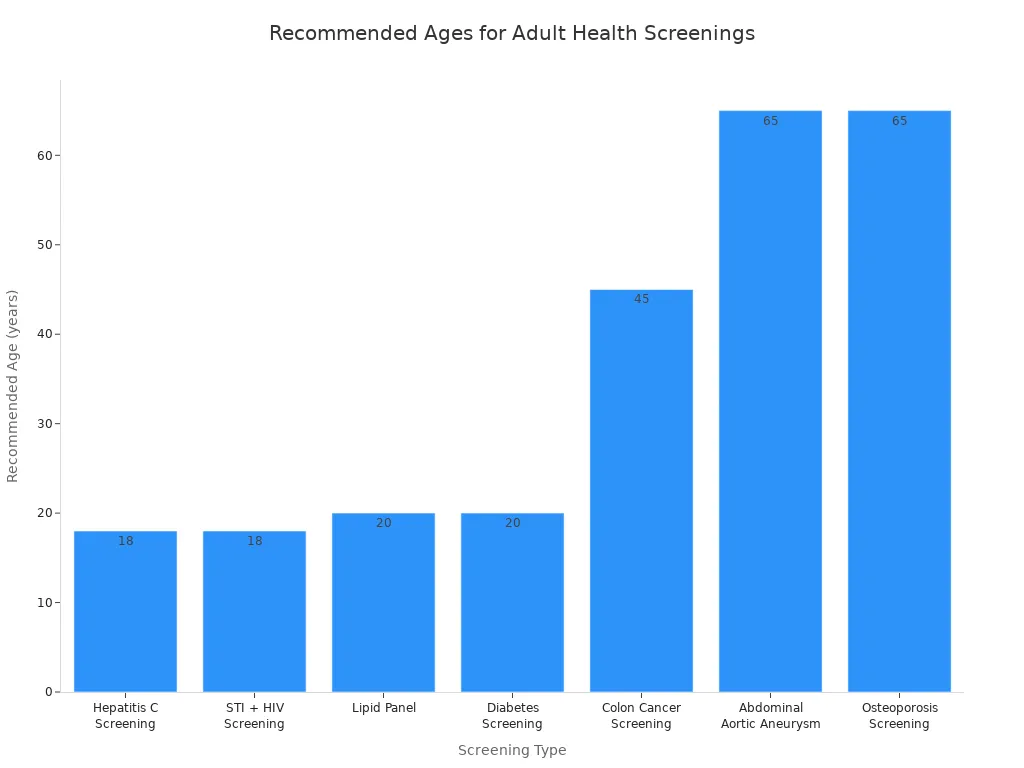
Screenings warn you about health problems early. You can avoid big problems like heart attacks or strokes if you find issues soon. Regular screenings help you control long-term diseases. They also help you live better. You help public health when you get your vaccines and screenings.
You keep yourself healthy when you use safe food habits. Germs can get into food and make you sick. Norovirus causes the most foodborne illnesses in the United States. Other germs like Campylobacter, Salmonella, and E. coli also make people sick. The table below shows how often these germs make people ill:
Pathogen | Estimated Illnesses | Estimated Hospitalizations | Estimated Deaths |
|---|---|---|---|
Norovirus | 22,400 | N/A | |
Campylobacter | N/A | N/A | 238 |
Salmonella | N/A | N/A | N/A |
Clostridium perfringens | N/A | N/A | N/A |
Shiga toxin-producing E. coli | N/A | N/A | N/A |
Listeria | N/A | N/A | N/A |
Toxoplasma gondii | N/A | N/A | N/A |
You can lower your risk by doing these things:
Clean: Wash your hands and kitchen counters a lot.
Separate: Use one cutting board for meat and another for other foods.
Cook: Make sure food gets hot enough. For example, cook chicken to 165°F.
Chill: Put leftovers in the fridge right away.
🥗 Tip: Wash your hands before and after you touch food. This easy step keeps many germs away.
Most foodborne illnesses start before you cook or when sick people touch food. Keeping food cold and cooking it well helps keep you safe.
A clean home helps keep your family healthy. Germs can live on things you touch every day. You should clean things like doorknobs, light switches, and counters with soap and water or a spray. When you use raw meat, clean those spots with bleach or a store cleaner. If someone is sick at home, use a stronger cleaner to disinfect.
Wipe kitchen counters and tables with an EPA-approved cleaner.
Wash dishes and silverware before and after you use them.
Use covers on mattresses and pillows to help with dust mites. Wash bedding in hot water every week.
Use special cleaners in the bathroom to kill mold and fungus.
Cleaning and disinfecting both help stop germs from spreading. The table below shows how they are different:
Cleaning | Disinfecting |
|---|---|
Uses soap, water, and other cleaning agents to decrease the number of germs on surfaces. | Uses chemicals to kill harmful germs that remain on surfaces after cleaning. |
Reduces infection risk by lowering the number of germs. | Further lowers the risk of spreading disease. |
You make your home safer when you clean and disinfect often. These habits protect everyone who lives or visits your home.
Mental and social well-being play a big role in public health. When you feel good mentally, you make better choices for your body. You also help your community stay healthy. Mental health lets you handle stress and connect with others. It affects how you think, feel, and act every day.
Here is a table that shows why mental health matters for everyone:
Evidence Type | Description |
|---|---|
Mental Health as a Determinant | Mental health shapes physical health and lowers risky behaviors. |
Prevalence of Mental Disorders | 26.2% of U.S. adults face a mental disorder each year. |
Disability Impact | Mental disorders cause over 37% of healthy life years lost due to disability. |
Stress can make you feel tired, worried, or upset. Chronic stress changes your brain and body. It can lead to problems like heart disease, diabetes, and trouble sleeping. You may notice headaches, muscle tension, or stomach aches. Stress can also make you avoid healthy habits.
You can manage stress with simple steps:
Practice deep breathing and mindfulness. Focus on your breath to calm your mind.
Move your body with regular exercise. Physical activity helps you sleep better and think clearly.
Make a list of tasks and set small goals. Time management helps you feel less overwhelmed.
Eat healthy foods. Whole foods and meal planning support your well-being.
Talk to friends, family, or a counselor. Sharing your feelings brings relief.
Try relaxation techniques like meditation or hobbies.
🧘 Tip: Take five slow breaths when you feel stressed. This helps your body relax.
Strong social support helps you stay healthy and happy. When you have people to talk to, you feel less alone. Support from friends and family lowers your risk for depression and anxiety. Good relationships help your body release hormones that boost your immune system and lower blood pressure.
Here are ways to build and keep strong connections:
Listen closely when someone speaks. Show you care by asking questions.
Use friendly body language and eye contact.
Join community events or volunteer for a cause you like.
Spend time with people who share your interests.
Set healthy boundaries and communicate openly.
A strong support system helps you handle tough times. People with good social networks live longer and have fewer health problems. You help public health when you build connections and support others.
You can make a big difference in your health and your community. Try these simple steps:
Wash your hands often.
Eat a balanced diet.
Move your body every day.
Get enough sleep.
Stay up to date with vaccines and screenings.
Keep your space clean.
Connect with others for support.
Take action today: Pick one tip and start now! Share your progress or your favorite tip in the comments below. Your choices matter.
You should wash your hands before eating, after using the bathroom, after coughing or sneezing, and when you come home. Clean hands help stop the spread of germs.
Vaccines protect you from serious diseases. When you get vaccinated, you help protect people who cannot get vaccines. This keeps your whole community safer.
Try to add one fruit or vegetable to each meal. Fresh, frozen, or canned options all work. This small change gives your body more vitamins and fiber.
Take a few minutes each day to relax and breathe deeply. Talk to someone you trust if you feel stressed. Simple actions like these help your mind stay healthy.