Physical Address
304 North Cardinal St.
Dorchester Center, MA 02124
Physical Address
304 North Cardinal St.
Dorchester Center, MA 02124

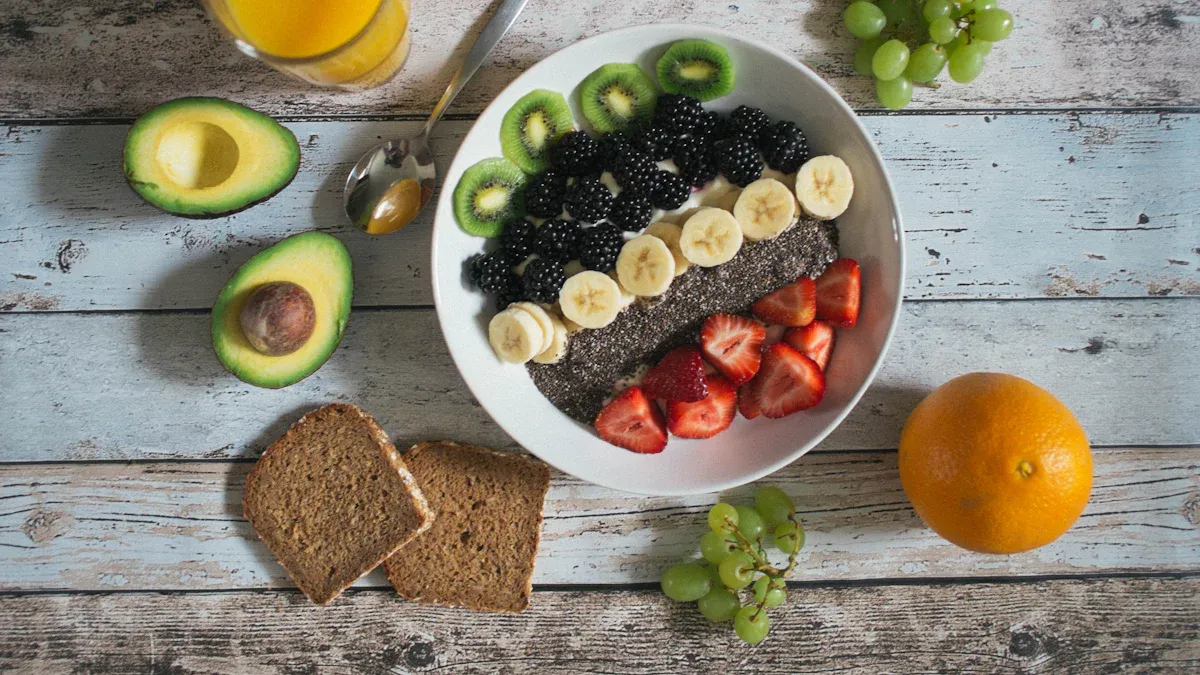
Simple health blog tips for daily wellness, including nutrition, exercise, sleep, and mental health strategies to help you build lasting healthy habits.
Looking for easy ways to feel better every day? You can trust advice from a health blog with expert tips. Small steps like drinking water or moving more help you build healthy habits. Recent studies show people often struggle to keep changes long-term:
Study Reference | Findings on Long-term Health Outcomes |
|---|---|
Lifestyle changes may not last after interventions. | |
Stigma can make it harder to stay healthy. |
You can make progress by choosing one simple tip at a time.
Add whole foods to your meals. Put fruits and vegetables on half your plate. This can help you avoid getting sick.
Drink enough water every day. Carry a water bottle with you. This can help you feel happier and remember things better.
Move your body every day. Try to get 150 minutes of activity each week. This helps your heart and keeps you healthy.
Eating whole foods every day helps you stay healthy. Experts say to fill half your plate with fruits and vegetables. Put whole grains on one quarter of your plate. Protein sources should take up another quarter. Use healthy plant oils, but not too much. Drink water, coffee, or tea with your meals.
Food Category | Recommendation |
|---|---|
Vegetables and Fruits | ½ of your plate |
Whole Grains | ¼ of your plate |
Protein Sources | ¼ of your plate |
Healthy Plant Oils | In moderation |
Beverages | Water, coffee, or tea |
Eating more whole foods can help prevent some diseases. You might lower your risk for obesity, heart disease, and type 2 diabetes. Diets with lots of fruits, vegetables, and lean proteins are good for you.
Tip: Each week, try a new fruit or vegetable. You could find one you really like!
Drinking enough water helps your body and mind. If you do not drink enough, it is harder to remember things. You might also feel sad or tired. Water can help your memory and make you feel more awake.
Study | Findings |
|---|---|
Fadda et al. | Dehydration hurt short-term memory; water helped. |
Armstrong et al. | Dehydration made tasks feel harder and worsened mood. |
Ganio et al. | Mild dehydration caused fatigue and anxiety. |
Keep a water bottle with you. Take small drinks during the day. Drink more after you exercise or if you feel sleepy.
Smart snacks give you energy and stop you from eating too much. Experts say snacks with protein and fiber are best. These snacks help you feel full and keep your blood sugar steady.
Snack Combination | Description |
|---|---|
Guacamole + Cucumber Slices | Refreshing and nutrient-dense. |
Hummus + Bell Peppers | Protein, fiber, and vitamins. |
Cottage Cheese + Berries | Protein and antioxidants. |
Tzatziki + Whole-Grain Pita Chips | Yogurt dip with fiber-rich pita. |
Sundried Tomato & White Bean Dip + Zucchini | Protein, fiber, and hydration. |
Greek yogurt with berries
Hard-boiled eggs with orange slices
Hummus with raw veggies
Protein shake with apple
Smart snacks help you control your weight. You will feel full and avoid getting too tired. Planning snacks ahead makes it easier to eat healthy.
Note: Prepare snacks before you need them. You will have something healthy to eat when you get hungry!

You don’t need fancy equipment to get moving. The CDC recommends you aim for at least 150 minutes of moderate activity each week, like brisk walking. Try muscle-strengthening exercises on two days. Here’s what you should do:
Move for 30 minutes most days.
Add squats, push-ups, or planks twice a week.
Regular movement helps your heart and body. Check out these benefits:
Evidence | Description |
|---|---|
Regular Physical Activity | Lowers risk of heart disease and death. |
Blood Pressure | Keeps blood pressure in a healthy range. |
Insulin Sensitivity | Makes your body use sugar better. |
Lipoprotein Profile | Improves cholesterol levels. |
Resting Heart Rate | Lowers your resting heart rate. |
If you sit for long periods, stand up and stretch. Moving often helps your body use sugar and keeps your heart healthy.
You can work out at home and still get great results. Try this beginner-friendly weekly plan:
Day | Workout Description |
|---|---|
1 | 20-Minute Beginner Leg Workout |
2 | 25-Minute Beginner Arm Workout |
3 | 10-Minute Low Impact HIIT + 10-Minute Cardio |
4 | Rest + 10-Minute Recovery Yoga |
5 | 30-Minute Full Body Strength |
6 | 20-Minute Beginner Routine |
7 | Rest + Stretching |
Home workouts save time and fit your schedule. You don’t need special gear. Short sessions can help you feel stronger and more energetic.
Exercise doesn’t have to be boring! Try these fun ways to stay active:
Dance to your favorite songs.
Play flying disc with friends.
Go hiking or gardening.
Walk your dog and meet other pet owners.
Join a yoga flow or dance class.
Fun activities boost your mood and help you relax. Even a quick dance party can make you feel happier. Regular movement can lower stress and improve your mental health. Many health blog experts say that enjoying exercise makes it easier to stick with it.
Taking care of your mind is just as important as caring for your body. Many trusted sources, like Purdue Global and Everyday Health, share simple ways to boost your mental wellness. You can start with small steps that fit into your daily routine.
Mindful breathing helps you calm down and focus. You only need five minutes a day to see real benefits. Try to practice every day, or even a few times a day, to lift your mood and lower anxiety. Here’s a quick look at how long you should practice:
Session Duration | Effectiveness | Notes |
|---|---|---|
5 minutes | Effective | Same benefits as longer sessions |
More than 5 minutes | Effective | No extra benefit over 5 minutes |
Practice mindful breathing for five minutes each day.
Repeat it a few times if you feel stressed or distracted.
Tip: Set a timer and close your eyes. Breathe in slowly, then breathe out. Focus on your breath and let your thoughts drift away.
Relaxation techniques help you manage stress and sleep better. You can pick one or try a few to see what works best for you. Everyday Health recommends these methods:
Breath focus—take slow, deep breaths.
Body scan—notice each part of your body and relax it.
Guided imagery—imagine a peaceful place.
Mindfulness meditation—focus on your breath and the present.
Yoga, tai chi, or qigong—move and breathe in rhythm.
Repetitive prayer—repeat a calming phrase.
People who use relaxation techniques often sleep better and feel less anxious. You may notice you fall asleep faster and wake up feeling more rested.
Setting healthy boundaries protects your mind and energy. You can start by telling others what you need, sticking to your limits, and checking in with yourself often. Here are some ways to set boundaries:
Communicate your boundary—let others know your needs.
Respect your boundary—stand by your limits, even if it feels hard.
Review your boundaries—see if they still help you feel good.
Healthy boundaries lower stress, boost self-esteem, and help you build better relationships. You will feel more in control and less likely to burn out. Many health blog experts say boundaries are key for long-term wellness.
You can set yourself up for better sleep by following a simple routine every night. Try these steps to help your body know when it’s time to rest:
Keep your bedtime and wake-up time the same every day—even on weekends.
Turn off screens at least one hour before bed.
Skip caffeine and big meals close to bedtime.
Do relaxing things like reading or taking a warm bath before you sleep.
Tip: Stick to calming activities like reading or journaling before bed. This helps your mind slow down.
Too much screen time before bed can make it hard for you to fall asleep. Research shows that just one hour of screens at bedtime can raise your risk of insomnia by 59% and cut your sleep by almost 25 minutes.
Finding | Description |
|---|---|
Insomnia Risk | 59% higher risk with 1 hour of screen time at bedtime |
Sleep Duration | 24 minutes less sleep with 1 hour of screen time |
You can help yourself by setting a “screen curfew” one to two hours before bed. Try making your bedroom a screen-free zone. Use app blockers if you need help staying off your phone.
Your bedroom can make a big difference in how well you sleep. Light, noise, temperature, and air quality all matter.
Environmental Factor | Impact on Sleep Quality |
|---|---|
Light | Disrupts sleep, lowers melatonin, affects sleep cycles |
Noise | Increases awakenings, raises stress |
Temperature | Extreme temps cause discomfort and wake you up |
Air Quality | Poor air can make it harder to breathe and sleep |
Keep your room dark with blackout curtains. Lower the temperature to around 60–67°F. Use a comfy mattress and bedding. Try a white noise machine if sounds bother you. These small changes can help you sleep deeper and wake up feeling refreshed.
It is smart to care for your health before problems start. You can do this by seeing your doctor often. Good hygiene and noticing body signals also help you stay healthy.
You may feel healthy, but checkups can find problems early. Doctors can see changes before you do. Finding issues early means you get help sooner. This can stop bigger problems later. Here is how often you should get some checkups:
Screening/Checkup | Recommended Frequency |
|---|---|
Hypertension | Every year |
Obesity | Every 2 years |
Osteoporosis | At age 65 |
STIs (if sexually active) | Every year |
Tobacco use | Every year |
Influenza vaccination | Every year |
Colorectal cancer | Begin at age 45 if average risk |
Diabetes (Type 2) | Every 3 years if at risk |
Depression | Every year |
HIV | At least once in your life |
Tip: Mark your checkup dates on a calendar or set phone reminders. This makes it easier to remember!
Good hygiene keeps you and others from getting sick. Washing your hands with soap is very important. It can lower your chance of getting sick by almost half. Keeping things clean also stops germs from spreading.
Hygiene Practice | Illness Risk Reduction |
|---|---|
Handwashing with soap | |
Personal/environmental hygiene | Over 20% fewer infections |
Wash your hands before eating, after using the bathroom, and when you get home.
Your body tells you when something is wrong. If you feel new pain, tiredness, or mood changes, pay attention. People who notice these signs can get help faster. This helps you use preventive care better.
Watch for changes in your energy, appetite, or sleep.
Ask for help if you feel something is wrong.
Trust yourself—you know your body best!
Remember: Small steps in preventive care can help your health for a long time. Keep learning and check in with yourself often.
You can boost your wellness with simple steps. Try one or two tips from this blog. Build healthy habits over time. Stay consistent for lasting results.
Eat whole foods
Move daily
Sleep well
Care for your mind
Keep learning from trusted health blogs. You’ve got this!
Try adding one new fruit or veggie each week. Small changes help you build habits. You don’t need to change everything at once.
Walk for ten minutes.
Dance while you clean.
Stretch before bed. You can fit movement into your routine without a gym.
Reason | Benefit |
|---|---|
Early detection | Find problems sooner |
Prevention | Stay healthy longer |
Peace of mind | Worry less |