Physical Address
304 North Cardinal St.
Dorchester Center, MA 02124
Physical Address
304 North Cardinal St.
Dorchester Center, MA 02124

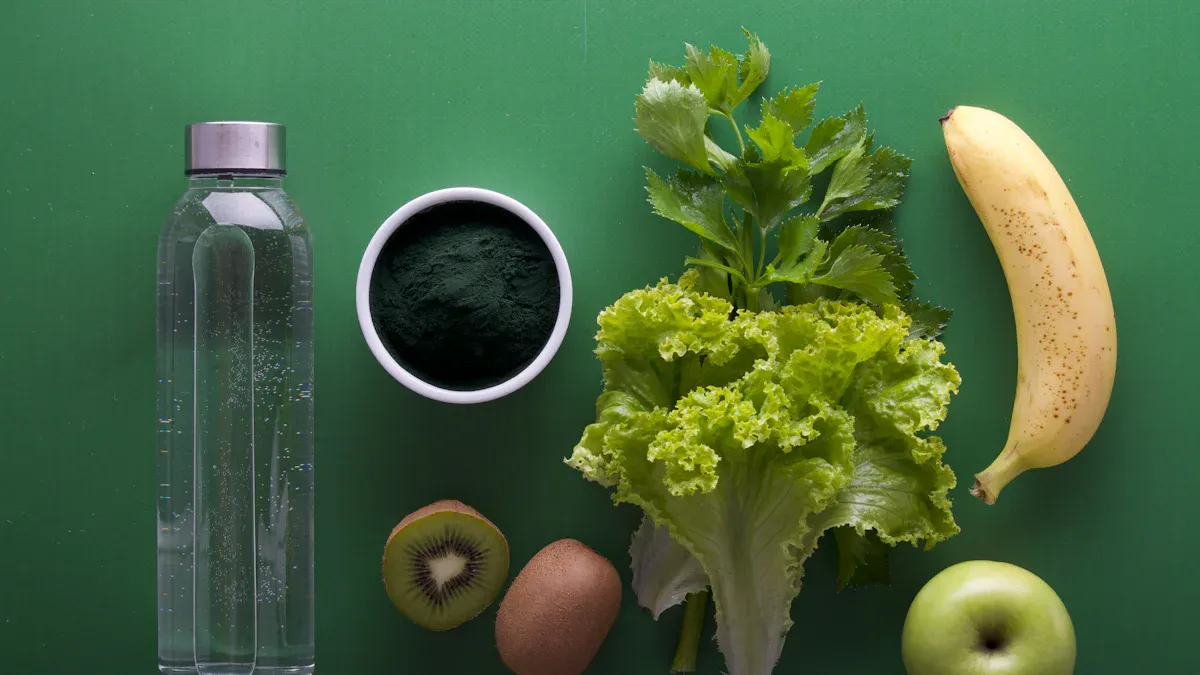
Stay healthy on a busy schedule with these 10 easy healthy lifestyle tips, including quick meals, short workouts, hydration, and stress relief.
You want healthy lifestyle tips that fit your packed schedule. You are not alone—many people find it tough to eat well or stay active when life gets busy.
Nearly half of adults say stress and a busy life make healthy choices hard.
Over a quarter struggle because they lack time.
Small, simple changes really work. Research shows that making tiny adjustments, like swapping soda for water, can lead to big health improvements. You do not need to overhaul your life overnight. Just start with one easy step today!
Stay hydrated by carrying a reusable water bottle. This simple habit helps you drink more water throughout the day.
Plan quick meals ahead of time. Meal prepping saves you time and helps you make healthier food choices.
Incorporate short workouts into your day. Even 10 minutes of exercise can boost your energy and improve your health.
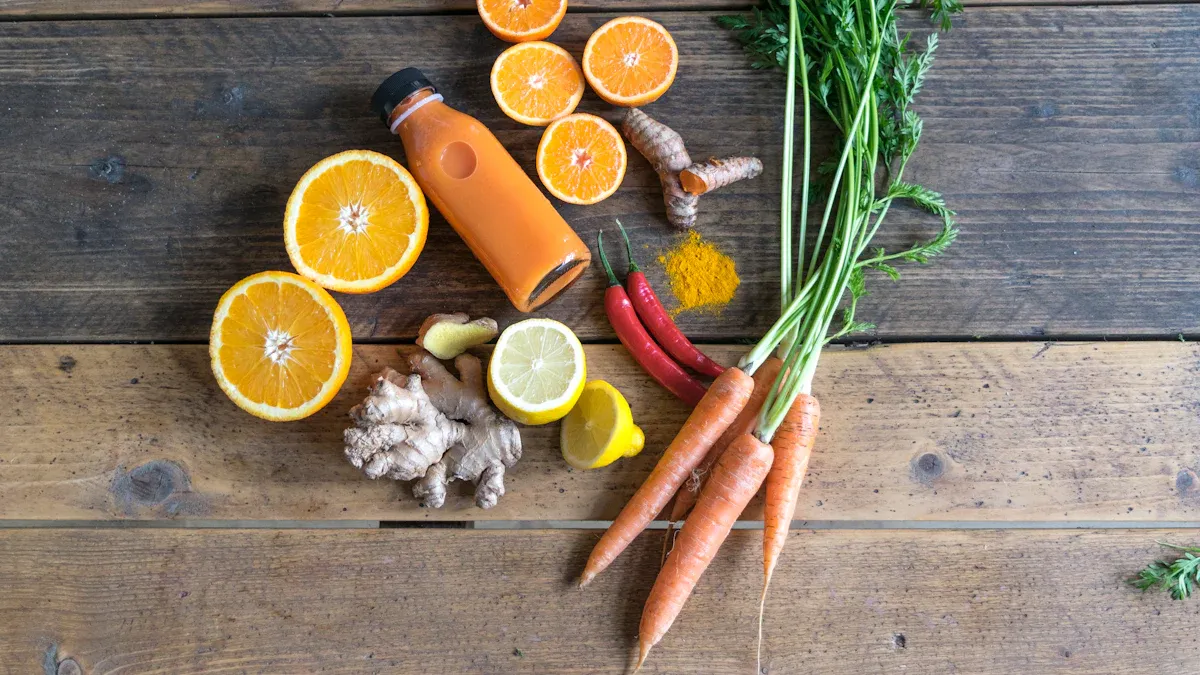
Staying hydrated is one of the easiest healthy lifestyle tips you can follow, even on your busiest days. Water keeps your body and mind working at their best. You might not realize how much water you need each day. Check out these daily recommendations:
Gender | Daily Water Intake (liters) | |
|---|---|---|
Men | 15.5 | 3.7 |
Women | 11.5 | 2.7 |
Carry a reusable water bottle everywhere you go. It makes drinking water easy and helps you track how much you drink. You can fill it up at work, school, or even in the car. Many people find that having a bottle nearby reminds them to sip water more often. Some bottles have time markers or measurements, so you know if you are on track. You can even add a slice of lemon or a few berries for a little flavor.
Tip: Choose a bottle you like. If you enjoy using it, you will drink more water without thinking about it.
Sometimes you forget to drink water when you get busy. Simple reminders can help you stay on track. Try these ideas:
Use an app that tracks your water intake and sends you reminders.
Set alarms on your phone every hour.
Try a smart device like Ulla, which blinks if you have not taken a sip in 40 minutes.
You can also keep a small notebook or use your phone’s notes to log your drinks. These reminders make it easy to build a healthy hydration habit. When you drink enough water, you support your brain, mood, digestion, and energy. You also help your body manage weight and prevent kidney stones. Small changes like these make a big difference!
You do not need to spend hours in the kitchen to eat well. Quick meals can save you time and help you stay on track with your healthy lifestyle tips. When you plan ahead, you make better choices and avoid last-minute fast food runs.
Meal prep does not have to be complicated. You can start small. Pick one day each week to prepare a few basics. Try these ideas:
Cook a big batch of brown rice or quinoa.
Grill or bake chicken breasts or tofu.
Chop veggies like carrots, bell peppers, and cucumbers.
Portion out snacks like nuts or fruit.
Store everything in clear containers. When you get hungry, you can grab a meal or snack in seconds. You save money and eat healthier.
Tip: Use a slow cooker or instant pot. These tools let you cook while you do other things.
Busy days make it easy to grab chips or candy. You can make better choices with a little planning. Keep these foods on hand:
Quick Option | Why It Works |
|---|---|
Greek yogurt | High in protein |
Whole grain wraps | Easy to fill & roll |
Pre-cut veggies | Crunchy & filling |
Hard-boiled eggs | Portable protein |
You can mix and match these foods for fast meals. Try a wrap with chicken and veggies or yogurt with fruit and nuts. You get energy and feel full longer.
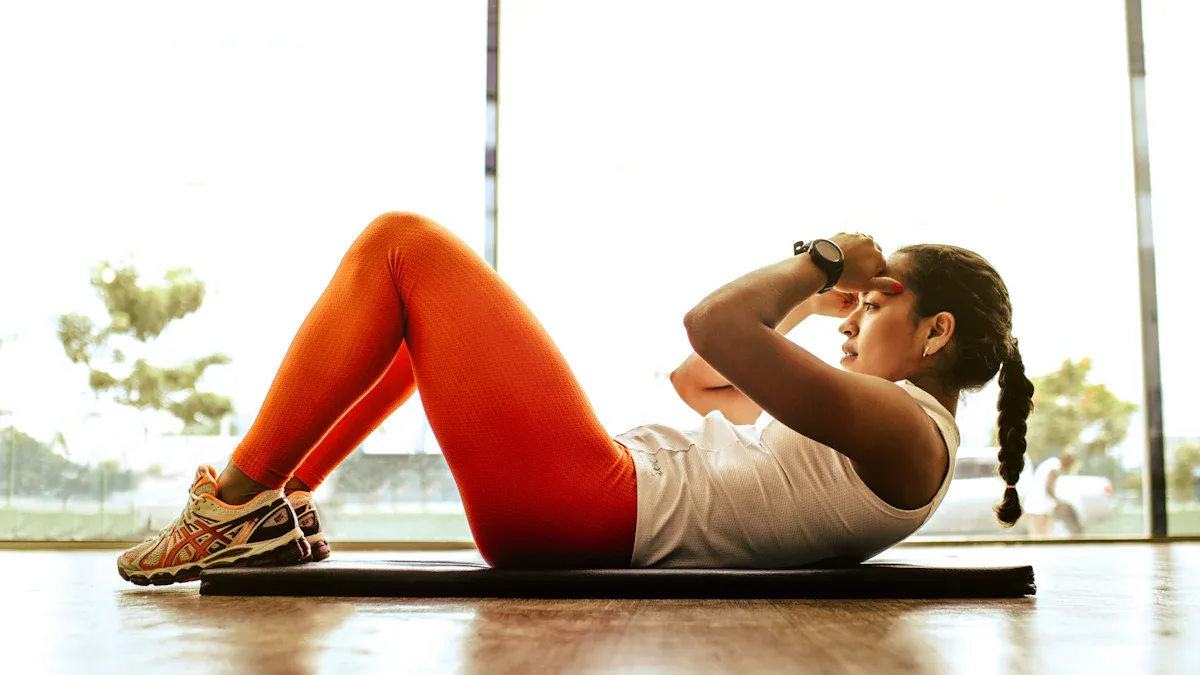
You do not need a gym or lots of time to stay active. Short workouts fit right into your busy day. Even ten minutes can make a real difference for your health.
You can get your heart pumping and muscles working in just ten minutes. Try jumping jacks, squats, push-ups, or running in place. Mix these moves together for a quick routine. Studies show that short, high-intensity workouts can boost your heart health and improve your energy. In fact, research in Circulation and PLoS ONE found that even brief routines, like sprint intervals, help your heart and muscles almost as much as longer workouts.
Tip: Set a timer for ten minutes. Move as much as you can. You will feel proud and energized!
The World Health Organization suggests that adults should aim for at least 150 minutes of moderate activity each week. You can break this up into short sessions. Fifteen minutes a day, ten minutes at a time, adds up fast.
You can stay active at work or school, too. Try these easy moves at your desk:
Stand up and stretch your arms overhead.
March your feet in place while sitting.
Roll your shoulders and neck to release tension.
Squeeze your shoulder blades together for a few seconds.
These small actions help you feel less stiff and more alert. They also support your healthy lifestyle tips, even when you have a packed schedule.
You can make healthy choices even when you are busy. Smart snacks help you stay full and keep your energy up. Many people struggle with healthy eating because they feel short on time or get overwhelmed by too many changes. Here are some common barriers and ways to beat them:
Barrier | Simple Solution |
|---|---|
Lack of time | Keep pre-cut veggies or fruit ready to grab |
Feeling deprived | Enjoy your favorite foods in smaller amounts |
Diet confusion | Stick to simple, whole snacks you recognize |
Try these easy swaps to boost your healthy lifestyle tips:
Swap chips for roasted chickpeas or veggie sticks.
Drink sparkling water with lemon instead of soda.
Tip: Pack snacks like nuts, hard-boiled eggs, or cut fruit in your bag. You will always have something healthy on hand.
Whole foods give your body more nutrients than processed foods. They help you feel full, support your gut, and lower your risk of health problems. You get more fiber, vitamins, and minerals from whole foods. They also help control your appetite and keep your blood sugar steady.
Here are some ways to add more whole foods to your day:
Add spinach or peppers to your eggs or sandwiches.
Pick fresh fruit instead of juice for more fiber.
Choose brown rice or quinoa instead of white rice.
Small swaps like these make your healthy lifestyle tips easier to follow. You do not need to be perfect. Just try one new habit at a time!
Getting enough sleep helps you feel your best, even when life gets busy. You might think you can get by with less, but your body and mind need rest to work well. Most healthy adults need at least seven hours of sleep each night. If you sleep less than that, you may notice you feel tired, cranky, or have trouble focusing.
Adults should sleep 7 or more hours per night for good health.
Sleeping six or fewer hours is not enough to keep you healthy and safe.
Most adults need at least 7 hours every 24 hours.
Missing sleep can cause more problems than just feeling tired. Chronic sleep loss can lead to weight gain, heart problems, and even trouble with memory and learning. You might also get sick more often or feel stressed and moody. Not getting enough sleep can raise your risk for diabetes, high blood pressure, and heart disease.
A good bedtime routine helps your body know when it is time to wind down. Try setting a sleep alarm to remind you when to start getting ready for bed. You can make a quick to-do list for tomorrow to clear your mind. Many people find that reading a book or writing in a journal helps them relax. Mindfulness or deep breathing can also calm your thoughts and make it easier to fall asleep.
Tip: Keep your routine simple. Even five minutes of quiet time before bed can help you sleep better.
Screens can make it harder for you to fall asleep. Using your phone, tablet, or computer before bed can cut your sleep short and lower its quality. Studies show that just one hour of screen time at bedtime can raise your risk of insomnia by over 50%. You might lose about 24 minutes of sleep each night if you use screens late. Blue light from screens tricks your brain into thinking it is still daytime, making it tough to relax.
Bright screens before bed can lead to poor sleep.
Interactive activities like gaming can make sleep problems worse.
Even with dark mode or blue light filters, screens can still disrupt your rest.
Try turning off screens at least 30 minutes before bed. Choose a book, listen to music, or stretch instead. Your body will thank you with better sleep and more energy the next day!
You might feel like you never have time to relax, but even short breaks can help you handle stress better. Giving yourself permission to pause is not a waste of time—it actually helps you stay focused and productive. Try these simple ways to fit stress breaks into your busy day:
Block out time for emails so you do not get distracted all day.
Shorten meetings when possible to give yourself a few extra minutes.
Set reminders to take a quick pause, especially when your energy dips.
Use bathroom breaks as a chance to reset with a deep breath or stretch.
Keep a sticky note or small object on your desk as a visual cue to take a break.
Have a favorite quick activity, like listening to music or stepping outside, ready for unexpected free moments.
Deep breathing is one of the fastest ways to calm your mind and body. You do not need any special tools—just a few minutes and a quiet spot. Research shows that deep breathing exercises (DBE) can lower anxiety, help control panic, and reduce stress. Take a look at what studies have found:
Study | Findings |
|---|---|
Zaccaro et al., 2018 | |
Hopper et al., 2019 | DBE helps control panic attacks. |
Yu et al., 2011 | One session of DBE reduces anxiety in healthy adults. |
Ma et al., 2017 | 20 sessions of DBE lower stress and negative feelings. |
Sundram et al., 2014 | 10 minutes of DBE twice a day cuts self-reported stress levels. |
Tip: Try breathing in slowly for four counts, then out for four counts. Repeat a few times. You may notice your shoulders drop and your mind clear.
Mindfulness means paying attention to the present moment. You can practice it anywhere, even during a short break. Fast breathing mixed with slower, deeper breaths can help you relax. Mindfulness and breathwork teach your body to switch from stress mode to calm mode. Over time, you may find it easier to handle tough days. Many people use mindfulness during bathroom breaks or while waiting for a meeting to start. These tiny moments add up and help you feel more balanced.
You do not need a gym to move more during your day. Small changes can help you stay active and healthy, even when you feel busy.
Choosing stairs over elevators is a quick way to add movement. You burn more calories and build stronger legs. Every step counts!
Climbing stairs can burn about 5 calories each minute.
If you weigh around 150 pounds, you burn about 0.17 calories for every step.
Climbing 10 flights of stairs each day adds up fast.
A 160-pound person burns 2 calories for one flight of 12 steps.
Walking slowly upstairs burns 5 calories per minute, while a fast pace can burn up to 11 calories per minute.
Tip: Make it a game. Count how many flights you climb each week. Challenge yourself to add one more flight every few days.
Sitting for long periods can hurt your health. You raise your risk for heart disease, diabetes, and even some cancers. Studies show that sitting too much can increase your risk of dying early by 22%. You can lower these risks by moving more during your day.
Break up long sitting times with short walks or stretches.
Light walking for just 3 minutes every hour can improve your blood sugar by up to 40%.
Doing simple resistance moves during breaks can lower your blood pressure by 8 to 16 points.
Try standing up when you take phone calls or do a few squats during TV commercials. Every bit of movement helps your body stay strong and healthy.
You do not need fancy equipment or a gym to get stronger. Strength training fits right into your busy life and brings big rewards. When you add it to your week, you help your body and mind in many ways:
More Energy: You boost your metabolism and feel more awake all day.
Stronger Bones: You protect your bones as you get older.
Improved Mental Clarity: You lower stress and sharpen your focus, which helps you handle a busy schedule.
You can start with just your body weight. These moves work many muscles and take only a few minutes. Try these simple exercises:
Lunges: Stand tall. Step forward with one foot. Lower your hips until your front knee bends to 90 degrees. Hold, then switch legs.
Planks: Rest on your forearms and toes. Keep your body straight. Hold for 30 seconds. Add more time as you get stronger.
Pushups: Start in a plank. Lower your body by bending your elbows. Push back up. Repeat.
Tip: Start with 1 set of each move. Add more sets as you feel stronger.
You can do strength training almost anywhere. No gym? No problem! Try these ideas at home:
Use a sturdy chair for step-ups or tricep dips.
Fill water bottles to use as light weights.
Do squats or wall sits during TV breaks.
Try a quick circuit: 10 lunges, 10 pushups, 30-second plank. Repeat twice.
You can fit these moves into your morning, lunch break, or before bed. Small steps lead to big results. 💪
You might focus on your body, but your mind needs care too. Mental health matters just as much as physical health, especially when life feels busy. When you take care of your mind, you handle stress better and enjoy your days more. A healthy body supports a healthy mind. If you skip self-care, you may feel more anxious or sad. Regular movement, good food, and small breaks help your mood and boost your energy.
Moving your body can lower stress and help you feel happier.
Eating well and getting sunlight can lift your mood.
Taking breaks and connecting with others can make tough days easier.
You do not have to face challenges alone. Spending time with friends, family, or even pets can lift your spirits. A quick chat, a text, or a smile can make a big difference. Try to reach out, even if you feel busy. Sharing a laugh or talking about your day helps you feel less stressed.
Practice | Description |
|---|---|
Write down one thing you are thankful for each day. | |
Spend Time with Animals | Play with a pet or visit an animal shelter to boost your mood. |
Seek Support | Talk to a friend or loved one when you feel overwhelmed. |
Acts of Service | Do something kind for someone else to feel more connected and happy. |
Tip: Build a support network. Celebrate wins together and help each other through tough times.
You can check in with yourself each day. Ask, “How am I feeling?” or “What do I need right now?” Keep a journal to track your feelings or write down moments of gratitude. Take a few minutes to step outside, stretch, or breathe deeply. These small habits help you notice stress early and take action.
Challenge negative thoughts with self-affirmation.
Enjoy hobbies that make you smile.
Take intentional breaks to relax and reset.
Healthy lifestyle tips work best when you care for both your body and mind. Even small steps can help you feel stronger and happier every day. 😊
Fitness tech makes it easy for you to stay on top of your healthy habits. You can use a smartwatch, a step counter, or a simple app on your phone. These tools help you see your progress and remind you to move more. When you track your steps or workouts, you feel more motivated to keep going.
People who use fitness trackers or apps almost double their chances of meeting exercise goals compared to those who do not use them.
If you start using a new app or tracker, you are 1.7 times more likely to reach your activity targets.
Those who already used trackers before the pandemic had over twice the odds of meeting fitness guidelines.
On average, using a fitness tracker helps you walk 1,235 more steps each day and adds about 49 minutes of moderate-to-vigorous activity each week.
You do not need fancy gear. Even a free app can help you count steps or log workouts. Try setting a daily step goal and watch your numbers climb. Seeing your progress can make you feel proud and push you to do a little more each day.
Setting goals helps you stay focused and build healthy habits that last. Start small. Pick a simple target, like walking 5,000 steps a day, and increase it as you get stronger. Use your fitness app or device to measure your progress. Celebrate small wins, like reaching your step goal or drinking enough water.
Begin with easy goals and raise them slowly.
Track your progress with apps or smart devices.
Celebrate every small win to stay motivated.
Connect with friends or online groups for support.
Talk to a healthcare professional if you want advice for bigger changes.
Tip: Write down your goals or share them with a friend. You will feel more accountable and excited to reach them! 🎯
Start with one or two healthy habits. You will see real progress when you keep things simple and steady. Most people who make small changes stick with them.
Habit Change | Success Rate |
|---|---|
More activity | |
Less TV | 62% |
Daily exercise | 90% |
Small steps add up. You can do this—begin today and watch your health improve!
Start with one small change. Drink more water or take a short walk. You do not need to do everything at once. Progress matters!
Try 10-minute routines or desk exercises. Move during TV commercials. Every bit of movement helps your body. You can fit activity into your day!
Nope! Most tips use things you already have, like a water bottle or chair. You can use your phone for reminders or tracking. Simple works best!